
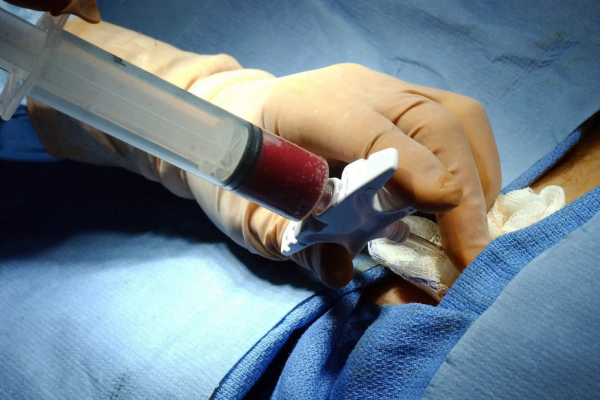
What is a Stem Cell or Bone Marrow Transplant?
Stem cell transplants are used in the treatment of cancers such as leukaemia, myeloma, lymphoma, and other blood or immune system diseases that affect the bone marrow.
A stem cell transplant, also known as a bone marrow transplant or a hematopoietic stem cell transplant, is a medical procedure that replaces your bone marrow with healthy stem cells. These cells either come from your own body or are taken from a donor.
What Are Stem Cells?
Stem cells are cells present in the bone marrow that have the unique ability to grow into the blood cells that your body requires to function. Blood stem cells grow into different blood cells, which include red blood cells, white blood cells and platelets:
- Red Blood Cells
These make up the bulk of your blood. Your red blood cells carry oxygen throughout your body. If you have insufficient red blood cells, you may be anaemic.. - White Blood Cells
The white blood cells fight pathogens such as viruses and bacteria. They make up a part of your immune system. - Platelets
Your platelets help to form clots and stop bleeding..
Cancer and cancer treatment, such as chemotherapy, may damage your blood stem cells which will affect the normal production of red blood cells, white blood cells and platelets.
What Conditions Can Benefit From A Transplant?
The procedure has been used successfully around the world in the treatment of certain cancers as well as blood and autoimmune disorders, including:
- Acute Lymphoblastic Leukaemia (ALL)
- Acute Myeloid Leukaemia (AML)
- Lymphoma
- Myeloma
- Aplastic Anaemia
- Autoimmune Disorders
- Certain solid tumours
Are You A Candidate For Stem Cell Transplantation?
Our team of of experts will work with you to determine if you are a suitable candidate for stem cell transplantation. The evaluation process may include the following:
- Review of your medical history
- Blood tests
- Imaging scans, including chest X-rays and computed tomography (CT) scans
- Tests to check your heart, lung and other organ functions
- Bone marrow biopsy, which gives us a deeper understanding of your condition
- Psychosocial evaluation
What Are the Different Types of Transplant?
Autologous Stem Cell Transplantation
The stem cells used for an autologous transplant are collected from your own body. This is sometimes done because intensive chemotherapy or radiation therapy treatment can damage your stem cells and immune system. Therefore, doctors may remove and store stem cells prior to your cancer treatment.
After chemotherapy, these stem cells are returned to your body to help build and restore your immune system and body’s ability to produce blood cells and fight infection.
Autologous transplants can be done if:
- You have certain blood cancers such as myeloma or lymphoma
- You have types of cancer which are treated with high doses of chemotherapy, e.g. germ cell tumours
- You have autoimmune conditions such as multiple sclerosis
.
Allogeneic Stem Cell Transplantation
The stem cells used in an allogeneic stem cell transplant are taken from a donor. Allogeneic stem cell transplantation is commonly used for treating aggressive forms of acute leukaemia and myelodysplastic syndromes. It is also used for the treatment of aplastic anaemia, red cell disorders (such as thalassemia) as well as in some cases of lymphoma and myeloma.
Before the actual transplant, chemotherapy is given with or without radiation; it is done to remove any abnormal cells from the bone marrow, so it is ready to receive donor stem cells. This phase is called conditioning and takes 5-8 days.
On the day of the transplant, healthy cells from the donor are infused into the bloodstream through an intravenous (IV) line or tube. This process is similar to receiving medication or blood through an intravenous line. These cells make their way into the bone marrow, where they begin to grow and produce healthy red blood cells, white blood cells and platelets. This phase is called engraftment and takes about 10-14 days.
Allogeneic stem cell transplants require a “donor matchâ€. A donor match comes from a healthy donor whose human leukocyte antigens (HLA) match yours. This process is called HLA typing. The best donor match often comes from siblings with the same parents. However, other family members or an unrelated volunteer may be a match too.
In the event that a suitable donor match cannot be found, there are other options that may be considered, including:
- Haploidentical Transplants
Stem cells taken from a parent, child, or sibling may not always be a perfect match for a patient’s HLA type. However, they may be a 50% match. Doctors are now using this type of transplant more often, and outcomes are similar to those of matched sibling and unrelated donor transplants.. - Umbilical Cord Blood Transplants
In umbilical cord transplants, stem cells from the umbilical cord blood are used. Cord blood is rich in stem cells and may be reserved and frozen after birth and used in a transplant if necessary.